

Value Engineering in Construction: Reduce Cost Without Diluting Design
Effective value engineering protects what matters and improves how it is delivered. Here is a practical framework for UAE development teams.
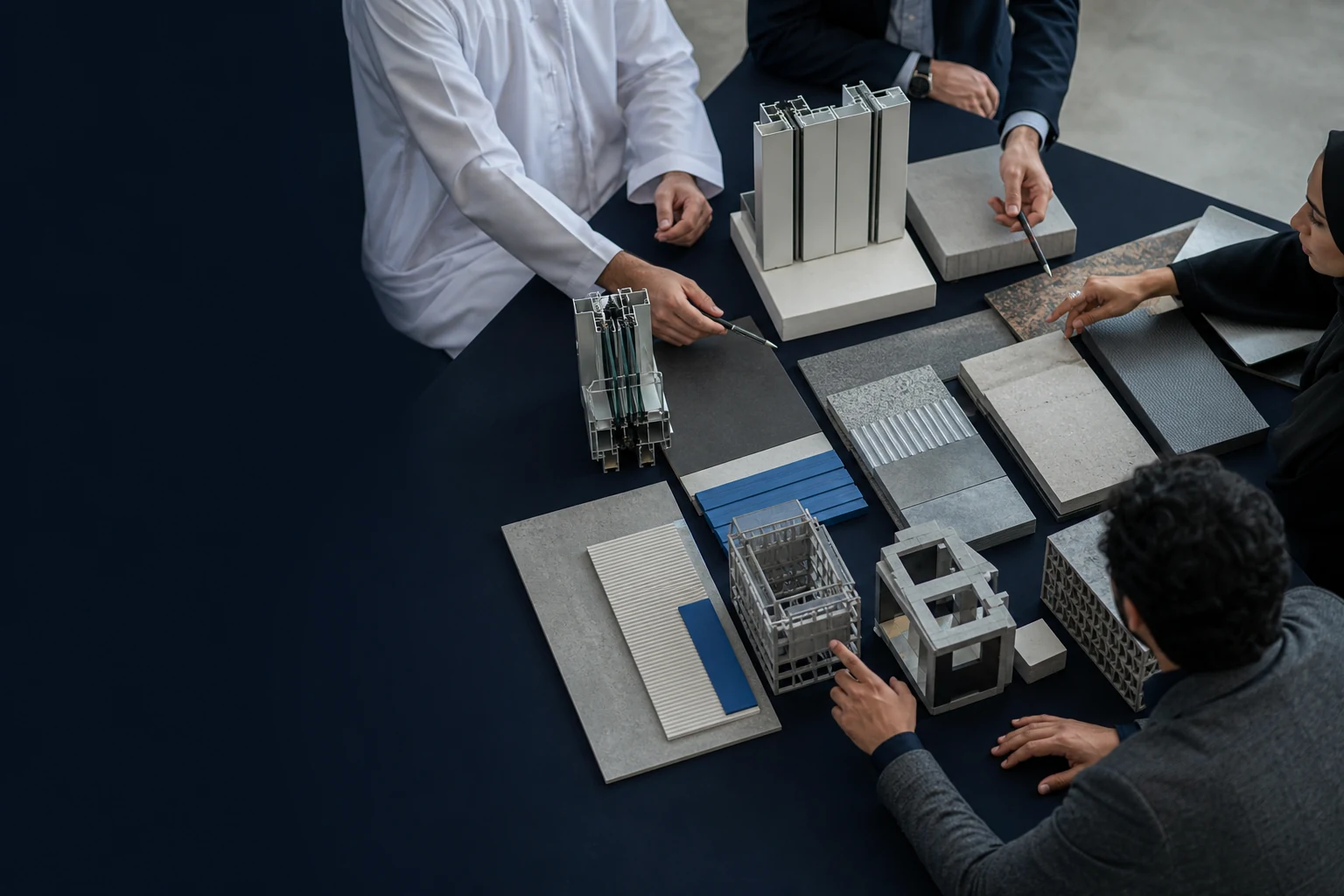
Value engineering is often introduced when a project is already over budget. By then, choices are narrower, redesign can affect the programme and the conversation can quickly become a list of visible cuts.
Used properly, value engineering is different. It is a structured way to achieve the required function, quality and experience with better use of cost, time and resources. It can improve buildability, simplify procurement, reduce waste and strengthen operational performance while protecting the design idea.
What value engineering really means
Value is the relationship between the outcome a project needs and the resources required to achieve it. The lowest-cost option is not automatically the highest-value option. A cheaper component may demand more maintenance, shorten replacement cycles or undermine the user experience.
Construction value engineering therefore asks three questions:
- What function or outcome must this element deliver?
- What is driving its cost, complexity or risk?
- Is there a better way to achieve the same priority?
This shifts the discussion from “What can we remove?” to “What are we trying to protect?”
The best time to start
The greatest opportunity usually exists during concept and schematic design. At this point, the team can influence form, structural grid, façade ratio, core planning, material strategy and building systems without undoing completed work.
Value engineering should continue through detailed design and procurement, but the nature of the decisions changes. Early decisions can reshape the solution. Later decisions tend to focus on specifications, details, suppliers, installation methods and sequencing.
Waiting until tender return can create false savings if redesign fees, delay, re-approval or contractor change costs are ignored.
Build the workshop around priorities
A productive value-engineering workshop needs a current design, elemental cost plan, programme, risk information and clearly ranked project priorities. Participants should include the owner, project manager, designers, engineers, cost consultant and, when appropriate, specialist or construction input.
Begin by identifying non-negotiables. These might include the arrival experience, façade identity, apartment efficiency, durability, acoustic performance, flexibility or a target completion date. Options can then be tested without accidentally sacrificing the project’s purpose.
Where value opportunities are often found
Building form and area efficiency
Geometry affects façade area, structure, circulation, services and construction complexity. Small improvements in net-to-gross efficiency or repetition can have wide benefits, provided planning quality is maintained.
Structural strategy
Grid, spans, transfer structures and repetition influence material quantities, coordination and construction sequence. Early collaboration between architecture and structural engineering can remove unnecessary complexity.
Façade systems
The façade carries design, environmental and maintenance requirements. Value may come from rationalising panel sizes, increasing repetition, refining material locations, improving access or selecting a system better suited to procurement and installation constraints.
Building services
Services should be sized and selected against the actual performance brief. Coordination, plant access, controls, zoning and maintainability can be as important as equipment price.
Materials and finishes
Alternatives should be judged through appearance, performance, availability, installation, replacement and care requirements. A physical sample or mock-up is often more useful than a product sheet.
Procurement and packaging
Sometimes the design is not the main cost driver. Package boundaries, tender timing, long-lead decisions or limited competition may be creating a premium. The project manager and cost consultant should test these commercial factors alongside technical options.
Use a consistent option template
Every proposal should describe the current solution, alternative, capital cost effect, programme effect, design effect, technical risk, lifecycle implication and required decision date.
This prevents attractive headline savings from being accepted without understanding consequences. It also helps the owner compare unlike options using the same criteria.
Common value-engineering mistakes
Treating the exercise as an emergency cut
Urgent reductions can target visible finishes while leaving the underlying drivers untouched. Start with the cost plan and project priorities.
Reviewing items in isolation
Changing a façade material may affect structure, waterproofing, fire strategy, procurement and maintenance. Evaluate interfaces, not just the line item.
Ignoring lifecycle cost
Initial savings can increase cleaning, energy, maintenance or replacement costs. The assessment period should match the owner’s intended hold and operating strategy.
Accepting savings without closing the design
An approved option only creates value when drawings, specifications, cost plans and programmes are updated. Maintain one decision log and verify implementation at the next design gateway.
Allowing late options to disrupt procurement
Every proposal has an expiry date. Once a package is tendered, ordered or in production, the change may cost more than it saves.
A practical six-step process
- Define priorities. Agree the required functions, quality and experience.
- Find the drivers. Use the cost plan, programme and risk register to identify high-impact areas.
- Generate options. Invite multidisciplinary ideas without approving them immediately.
- Evaluate consistently. Compare cost, time, design, technical, procurement and lifecycle effects.
- Decide with authority. Give each option an owner, approver and deadline.
- Close the loop. Update the design, cost plan, programme and procurement documents.
How Accurex approaches value
Value engineering works best when design management, cost consultancy and project management operate as one conversation. Accurex coordinates those disciplines so recommendations remain buildable, commercially clear and aligned with the owner’s objectives.
Frequently asked questions
Is value engineering the same as cost cutting?
No. Cost cutting aims to spend less. Value engineering aims to achieve the required function and outcome more effectively. A good exercise may reduce cost, improve performance or do both.
Can value engineering happen after the contractor is appointed?
Yes, but options must be evaluated against contract, redesign, procurement and programme consequences. Earlier exercises generally offer more freedom and lower disruption.
Who should approve value-engineering options?
The person with delegated authority for the affected budget, scope and design outcome. The governance plan should make approval levels and consultation requirements clear.
Protect the vision and improve the delivery
If your UAE project needs stronger alignment between design ambition and commercial reality, Accurex can structure and lead a focused value-engineering process. Contact us to discuss the current design stage and the decisions still available.
Related insights

Project Management Consultancy in Dubai: How to Choose the Right Partner
The right project management consultancy turns a complex development into a controlled, visible and accountable programme. Here is what UAE owners should assess before…

Construction Project Management in the UAE: A Stage-by-Stage Guide
Successful construction project management connects every stage of a UAE development. This guide shows owners what should happen, when and why.
How Cost Consultancy Protects Construction Budgets in Dubai
Cost certainty is built through disciplined decisions from feasibility to final account. Learn how a cost consultancy protects a development budget at every stage.